Regenerative aesthetics continues to evolve rapidly. Exosomes, PDRN, polynucleotides and growth factors are increasingly part of the conversation around skin quality, repair and rejuvenation. But as new technologies enter the market, an equally important question is emerging: what exactly are we using, where has it come from, and what evidence supports it? A recent regulatory development in the UAE has brought those questions sharply into focus. What has happened? In September 2026, the Emirates Drug Establishment (EDE) issued a warning concerning unauthorised medical products marketed as containing exosomes and/or PDRN for cosmetic, regenerative or therapeutic purposes. Importantly, this is not a blanket ban on exosomes or PDRN. It relates specifically to products without the required EDE marketing authorisation, which are not authorised for importation, supply, sale, distribution or clinical use within the UAE. The EDE states that for these unauthorised products, identity, source, composition, concentration, quality, sterility, purity, stability, effectiveness and safety cannot be assured. Potential concerns cited include contamination and infection, inflammatory or allergic reactions, inconsistent quality control, unsupported claims and uncertain long-term risks. Why should practitioners pay attention? While the circular applies specifically to the UAE, its wider message is relevant. “Regenerative”, “exosome”, “PDRN” or “growth factor” should never, on their own, be considered evidence of quality or efficacy. Practitioners need to look beyond terminology to the individual product: its provenance, manufacturing, formulation, evidence and appropriate regulatory status. It is also important to recognise that these technologies are not interchangeable. Growth factors, exosomes and PDRN represent different biological materials and approaches. Why we work with AQ Skin Solutions This distinction is particularly relevant to AQ Skin Solutions. AQ is not an exosome or PDRN proposition. Its technology is based around human fibroblast-derived conditioned media containing growth factors, cytokines and interleukins. AQ reports patent protection for its technology across the US, European Union, Japan and Korea, alongside published scientific and clinical research relating to its growth-factor technology. For Smart Group Medical, that matters. We chose to work with AQ because our approach to regenerative aesthetics has always been about more than following the latest trend. We want the practitioners we work with to have access to technology with established provenance, science behind its formulation and an evidence base they can explore and understand. This isn't about declaring one entire regenerative category superior to another, nor does the EDE warning suggest all exosome or PDRN products are unsafe. It is about asking better questions of every product entering clinical practice. As regenerative aesthetics enters its next chapter, innovation alone won't be enough. Credibility will matter just as much.
We’re delighted to announce an exciting new partnership between Smart Group Medical and Wigmore Medical, with Wigmore appointed as our exclusive pharmacy partner for AQ Skin Solutions in the UK. As the official UK distributor of AQ Skin Solutions, our focus has always been on growing the brand within the UK medical aesthetics market and giving more practitioners access to its innovative, science-led approach to regenerative skincare and hair restoration. Our new partnership with Wigmore Medical marks an important next step in that journey. Making AQ Skin Solutions More Accessible AQ Skin Solutions is a clinically developed range of regenerative skincare and hair restoration products powered by patented growth factor technology. Developed by medical scientists and backed by peer-reviewed research, AQ draws on more than 20 years of regenerative medicine research. Today, its products are used by practitioners around the world across skin rejuvenation, post-procedure recovery, hair restoration and a range of advanced aesthetic protocols. By partnering with Wigmore Medical and its established pharmacy network, we can make the AQ Skin Solutions portfolio more accessible to medical and aesthetic practitioners across the UK, while continuing to build awareness, education and understanding around the potential of growth factor technology. Josh Yardley, CEO of Smart Group Medical, commented: “We’re delighted to be partnering with Wigmore Medical. They are a highly trusted and experienced name within the UK aesthetics industry, and this partnership gives us an exciting opportunity to make AQ Skin Solutions more accessible to practitioners while bringing fresh energy and dynamism to the brand’s continued growth in the UK.” Raffi Eghiayan, CEO of Wigmore Medical, added: “We're proud to welcome AQ Skin Solutions into the Wigmore portfolio. As a company built on selecting the most innovative and efficacious lines, this partnership reflects our commitment to giving practitioners gold-standard tools that deliver real results for their patients.” An Exciting Next Chapter for AQ in the UK For us, this partnership is about more than expanding availability. It brings together two established businesses with a shared focus on providing UK practitioners with innovative, effective and scientifically led solutions. We’re incredibly excited about what comes next and look forward to working alongside the Wigmore Medical team as we continue to grow AQ Skin Solutions across the UK.
Why Looking Tired Has Become a Business Problem For today's professionals, appearance isn't about vanity. It's about perception. Executives, doctors, dentists, consultants and business owners are more visible than ever before. Between client meetings, patient consultations, presentations, video calls and professional profiles, first impressions are often made long before a conversation begins. When someone consistently looks tired, it can unintentionally project stress, fatigue or low energy, even when they're performing at their best. Increasingly, patients aren't looking to appear younger. They simply want to look healthier, more energised and better aligned with how they actually feel. This shift is changing the conversations happening in aesthetic clinics. A Different Type of Patient Conversation Today's patients are prioritising subtle, natural-looking improvements over dramatic transformation. Rather than asking practitioners to help them look younger, they're looking for refreshed eyes, healthier skin and an overall appearance that reflects their energy and wellbeing. The goal isn't to change how they look, but to remove the signs of fatigue that don't match how they feel. This evolving mindset is one of the reasons regenerative aesthetics, collagen stimulation and skin quality treatments continue to gain momentum. Patients are increasingly interested in treatments that support long-term skin health and work with the body's natural regenerative processes. The Treatments Driving the Trend The demand for natural rejuvenation is reflected across both surgical and non-surgical aesthetics. According to the British Association of Aesthetic Plastic Surgeons (BAAPS), facial procedures such as blepharoplasty (eyelid surgery) and face and neck lifts continue to grow in popularity, including among male patients. Alongside surgery, many patients are choosing treatments that improve skin quality and stimulate collagen production without creating an overdone appearance. Combination treatment plans that focus on regeneration and long-term skin health are becoming an increasingly popular approach, allowing practitioners to deliver gradual, natural-looking results. What This Means for Clinics As patient expectations evolve, so does the opportunity for clinics. Today's patients are looking for more than a quick fix. They want evidence-based treatments that support healthy ageing while preserving natural facial characteristics. For clinics, this creates an opportunity to educate patients on treatment pathways that focus on skin quality, collagen stimulation and regeneration, rather than simply correcting visible signs of ageing. Technologies such as Tixel for skin rejuvenation, SkinXcell MD for advanced skin resurfacing and skin quality improvement, alongside regenerative solutions from AQ Skin Solutions , enable practitioners to build personalised treatment plans that deliver subtle, long-lasting improvements while supporting the skin's natural regenerative processes. Looking Well Is the New Goal The most successful aesthetic treatments are often the ones that go unnoticed. Patients don't necessarily want people to think they've had aesthetic treatment. They want to hear that they look well, rested or full of energy. As the conversation moves beyond anti-ageing, clinics that focus on regeneration, skin quality and natural-looking outcomes will be well placed to meet the expectations of this growing patient group. Understanding why patients are seeking treatment, not just what they're asking for, will be key to delivering the results they value most.
Men aren’t the future of aesthetics. They’re already here. The question is whether clinics are speaking to them. For years, the aesthetics industry has largely been marketed towards women. From clinic websites and social media feeds to treatment brochures and advertising campaigns, the messaging has followed a familiar formula. But attitudes are changing and so is the audience. This isn’t another article about ‘Botox for men’. It’s about something much bigger: changing ideas around masculinity, shifting consumer behaviour and the ways clinics may be unintentionally overlooking an increasingly important group of patients. Men’s attitudes towards aesthetics have changed The idea that aesthetic treatments are ‘just for women’ feels increasingly outdated. According to YouGov, 67% of Britons now believe cosmetic treatments are for both men and women. At the same time, industry reports show that men make up a growing proportion of aesthetic patients, with demand leaning towards subtle, natural-looking results rather than dramatic transformations. What’s interesting is that most men aren’t walking into clinics asking to look younger. More often, they want to look less tired. More refreshed. More like themselves. For some, that means improving skin quality or addressing hair loss. For others, it’s about feeling more confident in work meetings, on video calls or simply in everyday life. The motivation is often less about reversing age and more about looking healthy and well. The problem isn’t demand - it’s marketing One of the biggest misconceptions in aesthetics is that men still need convincing to have treatments. In reality, many clinics may be putting them off before they even get through the door. Take a look at the average clinic website or Instagram feed. The imagery, language and treatment descriptions are often heavily geared towards female patients. There’s nothing wrong with that, of course, but it can leave male patients feeling as though aesthetic treatments simply aren’t for them. The issue isn’t the treatments themselves. It’s how they’re being presented. Many men are looking for discreet, natural results. They’re less interested in the language of ‘anti-ageing’ and ‘enhancement’ and more interested in feeling confident, looking well-rested and taking care of their skin. That doesn’t mean clinics need to completely rethink their brand overnight, but small changes can make a real difference: Include male patients in your imagery and case studies. Talk about confidence, skin health and wellbeing, not just aesthetics. Share educational content that addresses male concerns directly. Focus on natural-looking outcomes rather than dramatic transformations. Make consultations feel approachable and informative. Male patients often follow a different journey Understanding the male aesthetic patient goes beyond marketing. Men often approach treatments differently. Many spend longer researching their options and place a huge amount of trust in clinical expertise and recommendations. In many cases, they arrive at aesthetics through conversations with partners, friends or colleagues who have already had treatments themselves. What’s becoming increasingly clear is that most men aren’t looking to look dramatically different. They’re not chasing perfection or trying to turn back the clock. More often, they want to look less tired, healthier and more confident in themselves. For clinics, this shift in mindset matters. Language that focuses heavily on anti-ageing or transformation may not resonate in the same way. Instead, conversations around skin health, confidence and natural-looking results are far more likely to connect. Patients who achieve subtle, confidence-boosting outcomes are also more likely to return for ongoing treatments and recommend their clinic to others who may never have considered aesthetics before. The real opportunity for clinics The biggest opportunity isn’t convincing men to have aesthetic treatments. That shift has already happened. The real opportunity lies in recognising that male patients represent a growing and often underserved audience. Clinics that adapt their marketing, language and patient experience now will be far better placed to attract and retain them in the years ahead. For many practices, this doesn’t require new technologies or entirely new treatment menus. It means thinking differently about how treatments are positioned, how consultations are approached and whether their brand genuinely speaks to everyone walking through the door. As demand continues to grow, clinics that embrace this shift have the opportunity to expand their patient base, strengthen loyalty and stand out in an increasingly competitive market. Because the clinics that succeed over the next decade won’t necessarily be the ones offering the most treatments. They’ll be the ones that understand how patient expectations are changing and evolve alongside them. The rise of the male aesthetic patient isn’t something that’s coming. It’s already here.

Take a read of our blog to find out more regarding the plateau problem in aesthetics and why patient outcomes, not treatment volume, will define the next era of growth
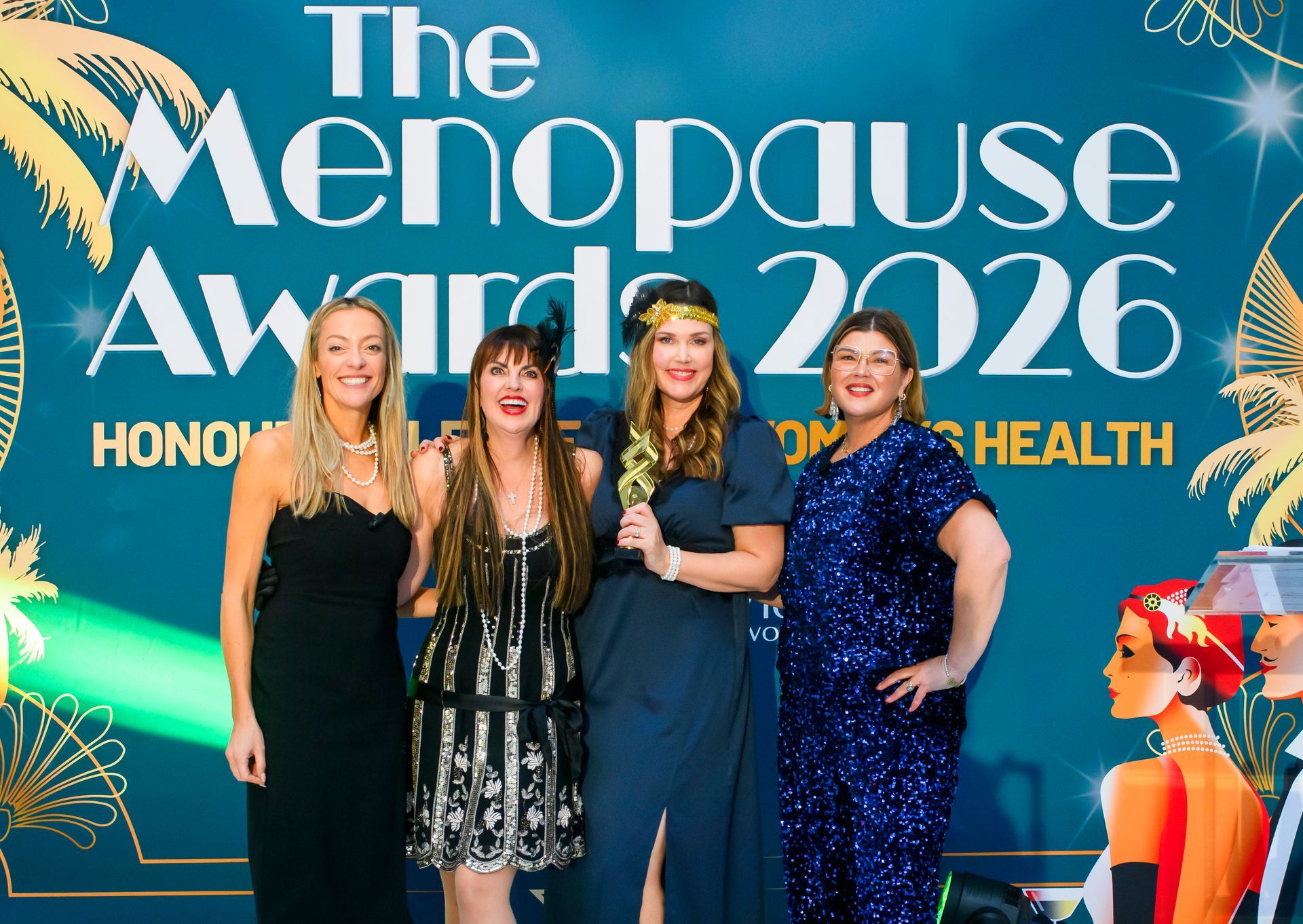
London, United Kingdom – Smart Group Medical is pleased to announce that AQ Skin Solutions, for which it is the UK’s exclusive distributor, has been recognised with two prestigious awards at the Menopause in Practice Awards held on Friday 5 February at the Grand Connaught Rooms in London.
Visit Us at BAMAN!
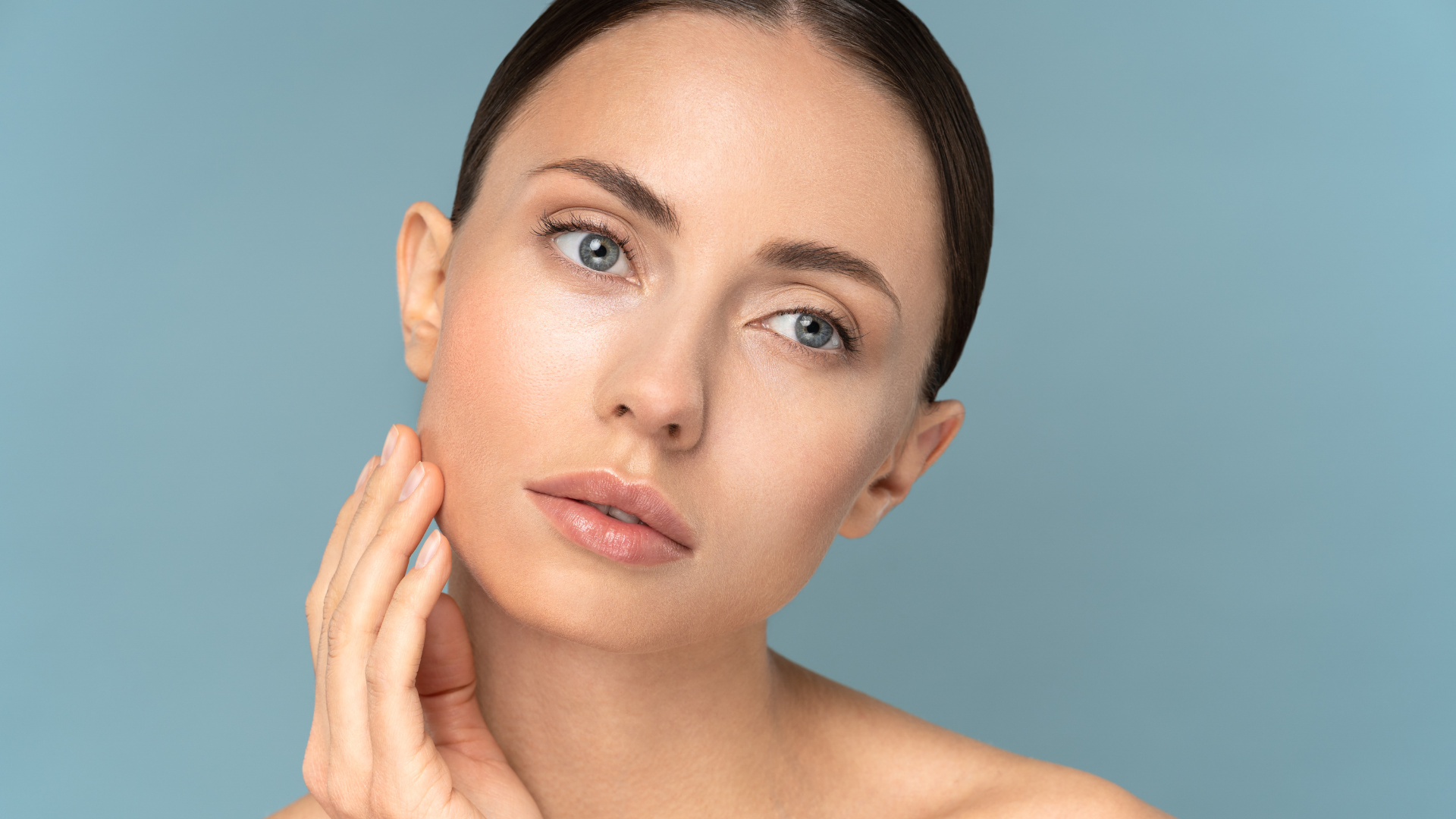
In the ever-evolving world of medical aesthetics, a quiet revolution is underway. While injectables like dermal fillers and toxins remain a valuable part of clinical protocols, more patients are now shifting focus from volume correction to skin regeneration. They're not just looking for instant results; they want long-term skin health, texture refinement, and natural radiance.
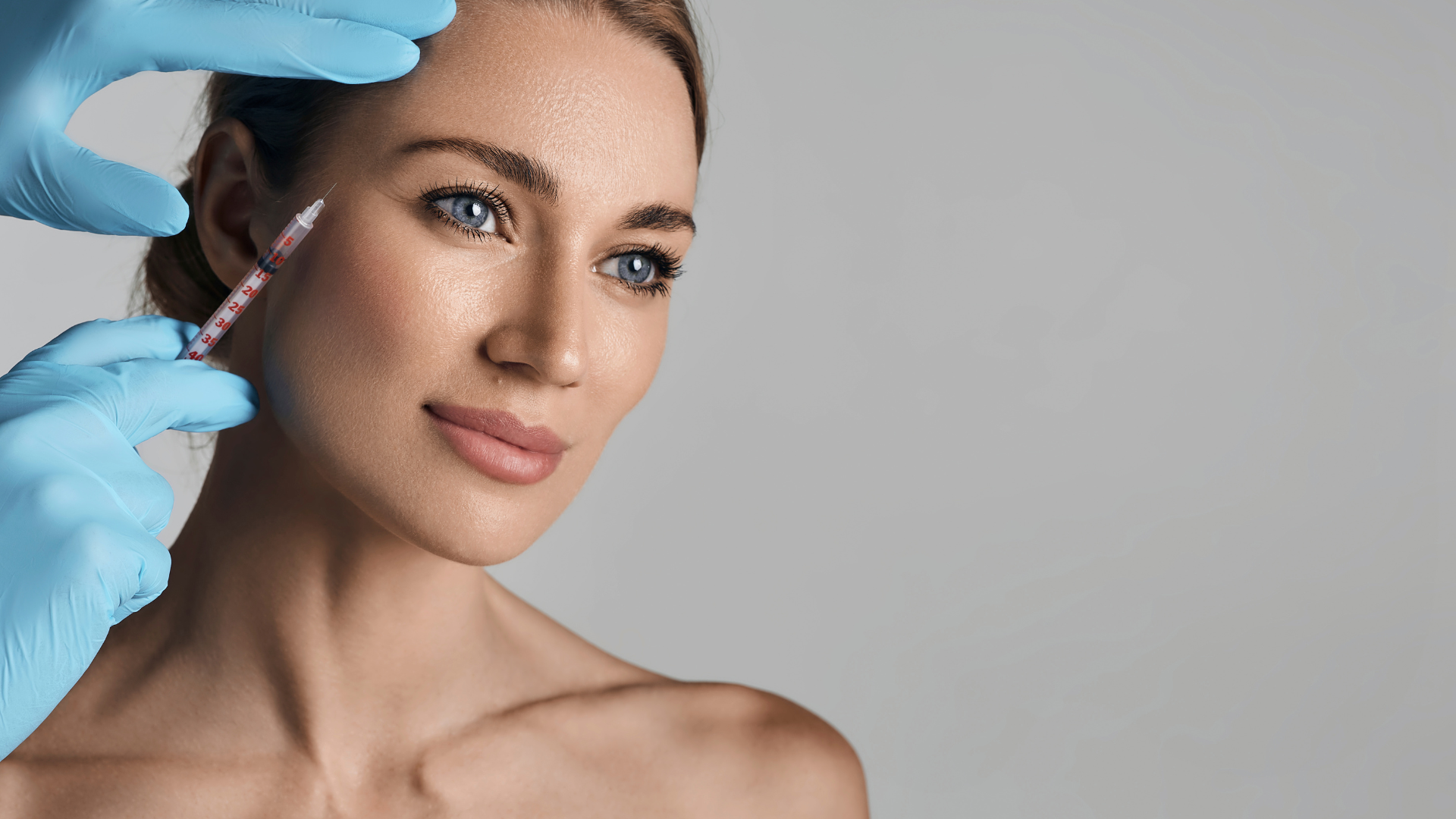
Explore the shift toward regenerative skin treatments in medical aesthetics, combining Tixel, AQ Skin Solutions, and DermaLab for measurable, long-term results.
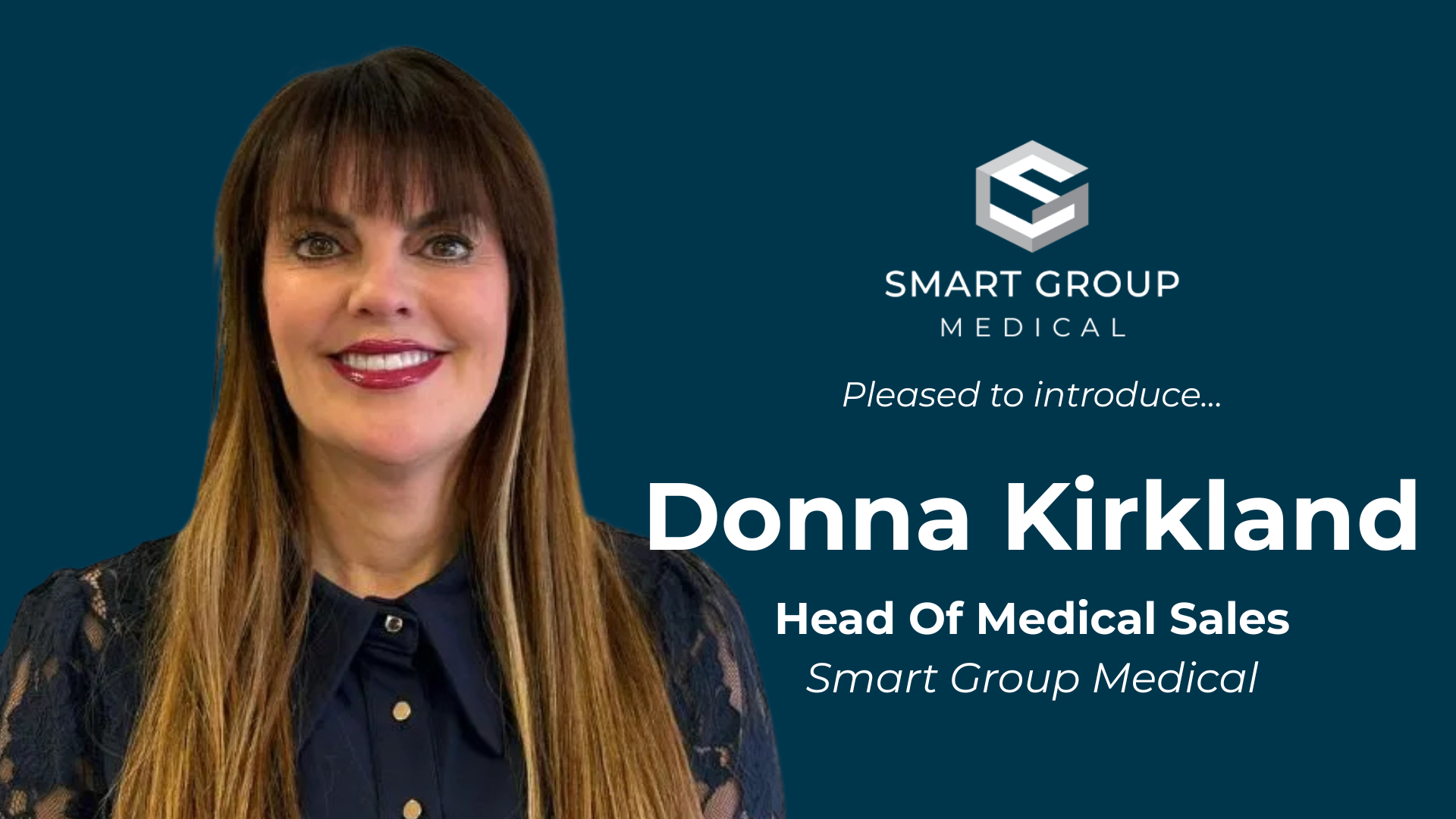
Smart Group Medical appoints Donna Kirkland as Head of Sales, bringing over 30 years of expertise to lead growth and support Tixel clinics across the UK.